Norweco Singulair Green and the Value of Regular Preventive Maintenance
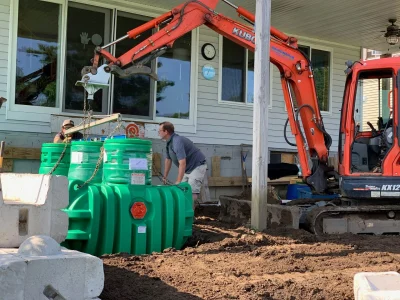

A treatment system like the norweco singulair green tends to be noticed only when something goes wrong. That is the nature of onsite wastewater. When a system is working properly, there is no drama. Toilets flush, sinks drain, the yard stays dry, and nobody thinks much about what happens after wastewater leaves the house. When performance starts to slip, the signs can be subtle at first, then expensive.
That is why preventive maintenance matters so much with an advanced residential treatment system. The Singulair Green is designed to do more than a basic septic tank. It treats wastewater to a higher standard through a controlled biological process. That higher performance comes with real value, especially on small lots, environmentally sensitive sites, or properties where discharge standards are stricter. It also means the system has components, operating conditions, and treatment stages that benefit from routine attention.
Owners often assume that if the blower is humming and nothing is backing up, the unit must be fine. In practice, that is not always true. I have seen systems that looked quiet from the outside but had years of sludge buildup, neglected filters, drifting aeration performance, or worn components that were one hard season away from failure. I have also seen well-maintained systems run reliably for a long time with very few unpleasant surprises. The difference usually comes down to consistency, not heroics.
What makes the Singulair Green different
A conventional septic system relies mostly on settling in the tank and soil absorption in the drainfield. A Singulair Green system adds treatment intensity. It uses aerobic biological action, compartmentalized treatment, and mechanical support to reduce pollutants before effluent reaches the next stage of dispersal or discharge.
That distinction matters for maintenance. In a passive septic tank, neglect still causes problems, but the system has fewer moving parts. In a unit like the norweco singulair green, treatment quality depends not only on tank volume and retention time, but also on air delivery, biomass health, solids control, and the condition of internal components. When one part of that chain slips, the rest of the system feels it.
Think of it less like a simple storage vessel and more like a small treatment plant serving a single property. It is not industrial, but the logic is similar. Biological treatment works best when the environment inside the tank stays within a workable range. Organic loading changes, cleaning chemicals enter the system, family size shifts, pumps and blowers age, and sludge accumulates. Preventive maintenance is what keeps those ordinary changes from becoming major disruptions.
Preventive maintenance is about preserving treatment quality, not just avoiding breakdowns
Many homeowners frame maintenance as a way to avoid emergency service calls. That is part of it, but it is not the whole picture. The bigger issue is performance. A system can continue running while treating poorly. You may not notice that from the bathroom, but regulators, service providers, and eventually your drainfield or discharge point will.
When treatment quality declines, several things can happen. Solids may carry over farther than they should. Filters can clog faster. Soil dispersal components can be stressed by poorer quality effluent. Odors become more likely. In some installations, alarms or compliance issues may follow. If the property is in a location with high groundwater, limited repair area, or strict local oversight, a maintenance lapse can have consequences beyond inconvenience.
This is where regular service earns its keep. A good preventive maintenance visit is not just a box-checking exercise. It is an opportunity to evaluate how the unit is functioning as a system. The technician is looking at sludge and scum accumulation, aeration, filter condition, electrical components, visible flow patterns, evidence of infiltration or hydraulic overload, and wear that may not yet be obvious to the owner.
That kind of early detection is valuable because wastewater equipment rarely fails at a convenient moment. It fails during holiday gatherings, after heavy rain, during a cold snap, or when the house has extra guests. Small issues found in a scheduled visit are usually cheaper to correct than the same issues after they trigger a backup or damage downstream components.
The most common problems start small
The pattern is familiar. A blower grows weaker over time. Air delivery drops just enough to reduce oxygen transfer. Biological treatment becomes less stable. Solids separation gets less effective. The filter loads up faster. Effluent quality falls off. Then, weeks or months later, the owner notices odor, slow drains, alarm activity, or wet conditions where they should not exist.
No single step in that sequence feels dramatic, but the total effect can be significant.
The same is true for pumping intervals. Some owners wait until there is an obvious problem before calling for service. By that point, solids may have built up enough to interfere with treatment or migrate where they should not. Pumping is not needed on the same schedule for every household, because water use, occupancy, garbage disposal habits, and system size all matter. Still, there is a practical range, and ignoring solids accumulation is one of the fastest ways to turn a manageable maintenance item into a repair bill.
Another frequent issue is misuse, not equipment failure. A treatment unit can only process what it is designed to handle. Excessive bleach, antibacterial cleaners, wipes, grease, paint, solvents, and high volumes of water in short bursts all work against stable operation. Owners are often surprised to hear that the system may keep accepting water while treatment is deteriorating. Hydraulic acceptance is not the same as treatment health.
What a proper maintenance visit should actually include
A worthwhile service appointment goes beyond a quick glance at the lid and a note on the invoice. If you are paying for professional maintenance, you want the technician to evaluate the treatment process and the equipment that supports it.
A strong visit usually covers the following:
- Inspection of aeration equipment and confirmation that air delivery appears normal
- Measurement or assessment of sludge and scum levels to judge pumping needs
- Cleaning or checking of filters and other accessible internal components
- Review of alarms, electrical connections, and visible signs of wear or corrosion
- Observation of effluent condition and the overall behavior of the unit during operation
That list may sound basic, but it is where much of the value lies. Wastewater treatment systems usually telegraph their problems before they fail completely. A trained set of eyes can spot clues that most property owners would miss, such as unusual turbulence, weak aeration, solids where they should not be, excessive foam, or a pattern of buildup that suggests lifestyle or usage issues inside the home.
I once looked at a system where the owner insisted everything was normal because there was no backup in the house. The blower was running, but not producing the airflow it should have. The unit had also gone far too long without pumping. The effluent filter was loaded, the solids profile was poor, and the next stage of the system was beginning to show stress. From the kitchen sink, everything seemed fine. From the service opening, it was obvious the unit had been borrowing time for quite a while.
Pumping intervals are not guesswork
One of the more persistent myths around onsite systems is that pumping should be done only when a problem appears, or that a fixed calendar interval fits every home. Neither idea works well.
Pumping needs depend on several factors. Household size matters. So does whether the home is occupied year-round or seasonally. A family with frequent guests, long showers, and heavy laundry habits will load the system differently from a retired couple that travels often. A garbage disposal can increase solids substantially. So can poor flushing habits, especially the routine disposal of wipes or hygiene products.
For many residential treatment systems, pumping often falls somewhere in the range of every few years, but that range is only a starting point. Service records and direct observation tell the real story. If your provider sees solids accumulating faster than expected, the interval should be adjusted. If the unit is staying clean and stable under light use, the schedule may differ. The point is not to chase a generic number. The point is to pump before solids compromise treatment.
Skipping pumping to save money is rarely a good trade. The cost of routine removal is usually modest compared with the cost of rehabilitating a stressed drainfield, replacing damaged components, or dealing with a sewage backup and cleanup inside the home.
Blowers, alarms, and electrical parts deserve respect
Mechanical components are often the first thing owners think of when they hear “advanced treatment unit,” and for good reason. Aerobic treatment depends on air. If the blower weakens or fails, the biological process changes quickly. That does not always mean immediate disaster, but it does narrow your margin.
A common mistake is to ignore a blower that sounds a little different or an alarm that clears and then returns. Intermittent warnings often signal the start of a problem, not a random quirk. Bearings wear. Diaphragms age. Moisture finds its way where it should not. Connections corrode. None of that is unusual. What matters is catching it before the treatment process is significantly affected.
Electrical checks should be part of regular service, especially in regions with storms, voltage fluctuations, or outdoor exposure that accelerates corrosion. Even when equipment is well built, time is undefeated. A small electrical issue can mimic a larger treatment problem, and a failing mechanical part can create treatment issues that look hydraulic at first glance. Experienced maintenance providers know how to separate symptoms from causes.
The drainfield is often the silent stakeholder
Owners focus on the treatment unit itself, but the downstream dispersal area has a major stake in preventive maintenance. Better pretreatment generally protects the drainfield. Poor pretreatment burdens it.
This is one of the strongest economic arguments for regular service. Drainfield replacement or major repair can be expensive, disruptive, and difficult, especially on a small site or a property with limited room for a new field. If preventive maintenance on the norweco singulair green keeps solids and poorly treated effluent from overloading the soil absorption area, the long-term payoff can be substantial.
The drainfield does not announce distress right away. It degrades over time. By the time ponding appears or sewage odors drift across the yard, the process may be advanced. Good maintenance upstream is one of the best ways to preserve the life of the downstream system.
Seasonal use and irregular occupancy create their own challenges
Not every home loads a treatment system evenly. Vacation properties, rural homes with hunting season peaks, and houses that shift from two occupants to eight during holidays all create start-stop conditions. Biological systems can handle variability, but they perform best with some consistency.
Extended low-use periods can change what is happening inside norweco singulair green the unit. Then, when the house suddenly fills with guests, the system receives a sharp increase in flow and organic load. Preventive maintenance helps prepare for those swings. A technician can assess whether the unit is in a good position to handle seasonal demand, whether pumping should occur before a heavy occupancy period, and whether any components are nearing the point where a surge in use could push them over the edge.
I have seen systems at lake properties that were mechanically fine in spring but overloaded by midsummer because no one checked them before the season started. That is the kind of problem that regular scheduling solves. A planned visit in the shoulder season is usually easier and cheaper than an emergency call on a holiday weekend.
Homeowner habits matter more than most people think
Even the best-maintained system cannot fully compensate for abusive use. Preventive maintenance works best when owners understand the basic rules of the road. You do not need to become a wastewater expert, but you do need to treat the system like the treatment device it is.
A few habits make a real difference:
- Spread out laundry and other heavy water use instead of sending large surges all at once
- Keep wipes, grease, solvents, and non-biodegradable items out of the system
- Pay attention to alarms, odors, and unusual wetness in the yard
- Maintain service records and follow recommended inspection and pumping intervals
- Call early when something seems off, even if the house still drains normally
The practical effect of those habits is stability. Biological treatment likes manageable flow, predictable loading, and freedom from harsh contaminants. When owners support those conditions, the system usually rewards them with quieter operation and fewer repairs.
Service records are more valuable than people realize
A maintenance history tells a story. It shows whether sludge accumulation is accelerating, whether a blower has a pattern of repeated issues, whether a certain filter clogs more often than expected, and whether the system’s response to household use is changing over time.
For homeowners, records are also useful at resale. Buyers and inspectors are more comfortable when they can see that an onsite treatment system has been professionally maintained rather than ignored. In some jurisdictions, documentation is not just helpful, it may be required or strongly expected. Either way, records turn maintenance from a vague memory into a practical management tool.
If your provider leaves only a generic receipt, ask for more detail. You want dates, observations, parts replaced if any, pumping information, and recommendations for the next visit. Those notes make future decisions smarter.
The cost argument usually favors prevention
People sometimes hesitate over maintenance because it feels like paying for a problem that has not happened yet. That is understandable. The challenge is that wastewater failures are rarely cheap, and they do not stay neatly contained.
A routine service agreement or scheduled preventive visit is generally predictable in cost. Emergency calls are not. Add after-hours labor, parts, pumping under urgent conditions, indoor cleanup, potential landscaping damage, or drainfield stress, and the economics shift fast. There is also the less visible cost of living with an unreliable system, especially in a family home or a property used for entertaining.
From a purely financial standpoint, preventive maintenance is usually the more conservative move. From an operational standpoint, it is almost always the better one.
Choosing the right maintenance provider
The value of maintenance depends heavily on the person doing it. A rushed inspection that amounts to “looks okay from here” does not protect much. You want a provider who understands aerobic treatment systems, is familiar with local code expectations, and communicates clearly about what they see.
A good provider explains conditions in plain language. They do not create panic over every minor irregularity, but they do not minimize meaningful warning signs either. They can distinguish between items that need immediate action, issues that should be scheduled soon, and conditions that simply deserve monitoring. That judgment is what separates professional maintenance from casual checkups.
It also helps when the provider understands the property itself. Site drainage, groundwater conditions, occupancy patterns, and the age of the installation all shape maintenance priorities. The best service is not generic. It is tailored.
Why regular attention pays off year after year
The strongest case for preventive maintenance on a norweco singulair green is not that it eliminates every problem. No mechanical or biological system comes with that promise. The real value is that maintenance keeps ordinary wear, changing household habits, and small performance drifts from stacking into larger failures.
That matters for treatment quality, for equipment life, for the drainfield, for regulatory peace of mind, and for the simple comfort of knowing your wastewater system is not being neglected below ground. It also matters because these systems are easiest to manage when they are kept stable. Once a treatment unit has been ignored long enough to lose that stability, the path back is rarely as cheap or as simple as the owner hoped.
A well-maintained system tends to be uneventful, and that is exactly the point. In onsite wastewater, quiet operation is a sign of discipline behind the scenes. Regular inspections, timely pumping, attention to blowers and alarms, and sensible household use preserve the value built into the system. For owners of a Singulair Green, that routine care is not an accessory. It is part of how the system delivers the performance it was chosen for in the first place.
Excavating New Jersey LLC
406 County Rd 565, Wantage, NJ 07461, United States
+1 973-791-4284
FAQ About norweco singulair green
How much does a NORWECO septic system cost?
The installed cost depends on the selected unit, engineering, site access, excavation, electrical work, disposal-field design and required approvals. A tank-only price is not a complete installation quote. Ask Excavating New Jersey LLC for a site-specific, itemized estimate that also explains ongoing service costs.
How does a Norweco septic system work?
The Singulair Green uses pretreatment, aeration, clarification and filtration to treat domestic wastewater. In the aeration chamber, oxygen supports bacteria that break down organic material. The Bio-Kinetic unit provides further filtration and flow equalization. Final effluent disposal must follow the property's approved design and applicable requirements.
What is the average lifespan of a septic system?
There is no guaranteed lifespan for every system. Design, installation, soil conditions, wastewater loading and regular maintenance all matter, and mechanical parts may need replacement before the tank. For a Singulair Green system, follow the manufacturer's service schedule and have a qualified provider assess its condition and pumping needs.