Norweco Singulair Green and the Basics of Aerobic Treatment
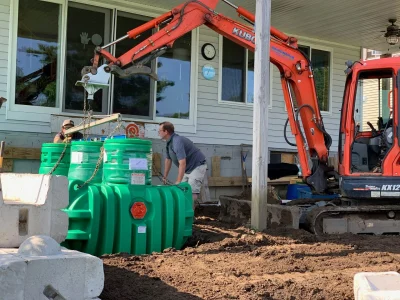


For property owners who cannot connect to a municipal sewer, wastewater treatment becomes a personal responsibility, not an abstract utility hidden behind a monthly bill. That responsibility often starts with a familiar septic tank, but on many sites a standard septic system is not enough. Small lots, slow soils, high groundwater, waterfront rules, and tighter local regulations all push homeowners and designers toward more advanced treatment. That is where aerobic units enter the picture, and where products like the norweco singulair green are often part of the conversation.
I have spent enough time around onsite wastewater systems to know that most confusion starts with terminology. People hear “aerobic treatment” and imagine something complicated, fragile, or wildly expensive to operate. Others assume it is just a septic tank with an air pump attached. Neither view is quite right. An aerobic treatment unit, or ATU, is best understood as a small treatment plant designed for a single home or light commercial setting. It treats wastewater more actively than a conventional septic tank, and because of that, it can produce a cleaner effluent under the right conditions.
The Singulair line has been around for a long time in the onsite wastewater world, and the Green model is often discussed in the context of residential treatment where improved effluent quality is important. To understand what that means in practice, it helps to step back and look at what aerobic treatment actually does, where it fits, and what homeowners should realistically expect.
Why aerobic treatment exists at all
A conventional septic system is simple by design. Wastewater leaves the house, enters a septic tank, settles into layers, and then flows to a drainfield where the soil completes much of the treatment. That arrangement works well when the site can support it. The soil must be suitable, the drainfield must be sized correctly, and the tank must be pumped often enough to keep solids from migrating downstream.
Trouble starts when one of those conditions is weak. I have seen lots with shallow seasonal groundwater where there simply was not enough vertical separation to rely on basic septic treatment alone. I have also seen renovation projects where the home got larger but the lot did not. Add a bedroom, add more water use, and suddenly the old gravity system is no longer a clean fit for modern codes.
Aerobic treatment units address that gap by increasing treatment before the water reaches the final dispersal area. Instead of depending mostly on passive settling and soil biology, they introduce oxygen to support aerobic bacteria, the organisms that break down waste more efficiently in an oxygen-rich environment. In practical terms, that can mean lower biochemical oxygen demand, lower suspended solids, and in some designs better overall effluent quality than a standard septic tank can provide on its own.
That extra treatment can help in environmentally sensitive areas, and it can open up options on difficult sites. It does not make every bad site buildable, and it does not erase maintenance needs. It simply adds another layer of treatment that can make a system more effective when used appropriately.
What the norweco singulair green is meant to do
The norweco singulair green is part of a category of residential aerobic treatment systems intended to process domestic wastewater with a higher level of treatment than a basic septic tank. The details of installation vary by jurisdiction and design, but the broad idea is straightforward. Wastewater enters the system, solids and floatables are managed, aeration supports biological treatment, and clarified effluent moves on for further handling or dispersal.
One reason systems like this have a strong foothold in the market is that they package several treatment functions into a compact footprint. That matters on small properties and in retrofit situations where space is tight. It also matters when a permitting authority wants a recognized treatment technology rather than a one-off design improvised in the field.
That said, no packaged unit succeeds by itself. The quality of the installation matters just as much as the equipment. A carefully selected aerobic unit can still perform poorly if it is undersized, poorly ventilated, hydraulically overloaded, or neglected after startup. I have seen owners blame the treatment unit when the real issue was years of deferred pumping, a failed alarm that no one responded to, or a drainfield receiving flows it was never designed to handle.
The basic mechanics of aerobic treatment
The easiest way to picture aerobic treatment is to compare it with a fish tank that needs oxygen circulation to stay biologically healthy, though wastewater treatment is obviously much less pleasant to look at. Oxygen is introduced into the treatment process so aerobic microorganisms can thrive. Those microbes consume and stabilize organic material more actively than the mostly anaerobic environment inside a conventional septic tank.
Inside a residential aerobic unit, treatment generally follows a sequence. Wastewater enters and begins preliminary separation. Air is added in a treatment chamber. Microbial action breaks down dissolved and suspended organic matter. Solids settle or are retained, and treated effluent moves to the next stage. Depending on the specific design and local requirements, the flow may continue to a pump tank, disinfection stage, drip dispersal field, low-pressure pipe field, or another approved disposal method.
What matters for a homeowner is not memorizing every chamber, but understanding the dependence on living biology and steady operation. Aerobic systems like consistency. They prefer regular household wastewater over wild surges. They do not appreciate being dosed with harsh chemicals, grease, wipes, or weeks of abuse followed by sudden heavy loading during a holiday gathering.
That does not mean they are delicate ornaments. A properly installed system can handle normal family life just fine. But “normal” is doing a lot of work in that sentence. Six loads of laundry back-to-back, a leaking toilet that runs for a month, or bleach-heavy discharge from constant cleaning can stress any onsite system, especially one relying on biological treatment.
How it differs from a standard septic setup
The biggest practical difference is that a conventional septic tank is mostly passive, while an aerobic treatment unit is active. It uses mechanical components, commonly including an aerator or air delivery system, and sometimes pumps, controls, and alarms. Passive systems can fail too, often silently, but active systems make their needs known more directly because they have components that wear out and require service.
The treatment performance is another important distinction. When functioning properly, an aerobic unit can provide a higher level of treatment before the water reaches the soil dispersal area. That can reduce the burden on the final disposal component and support designs where raw septic tank effluent would not be acceptable.
There is also a lifestyle difference. A basic septic system can be easy to forget until it backs up or the yard turns wet. Aerobic systems ask for a more informed owner. Not an engineer, not a full-time caretaker, just someone willing to respond to alarms, keep service appointments, and avoid treating the system like a trash can with plumbing attached.
Where systems like this make sense
Some installations are driven by regulations, others by site limitations, and others by a desire for better treatment near wells, lakes, streams, or coastal areas. A common scenario is a replacement system on an older lot that was subdivided decades ago, long before current setbacks and treatment standards took shape. Another is a home on marginal soil where a designer needs cleaner effluent going to the dispersal field.
The best candidates are usually owners who understand that better treatment comes with a little more oversight. In my experience, the homeowners most satisfied with aerobic systems are not the ones who expect zero attention forever. They are the ones who accept the trade and appreciate what the system allows them to do on a site that might otherwise be difficult or impossible to permit.
The maintenance reality that people often underestimate
If there is one point worth emphasizing, it is this: aerobic treatment is not set-and-forget infrastructure. It needs inspection and maintenance. That is not a flaw unique to the norweco singulair green. It is the nature of active onsite treatment.
Service intervals and requirements depend on local rules and the installed configuration, but periodic professional inspection is standard. Components need to be checked. Sludge and scum levels need to be assessed. Aeration equipment must be working properly. Filters, if present, need cleaning or replacement as applicable. Alarms need to function. Effluent quality is only as good as the system’s condition on the day it is operating, not the day it was sold.
Homeowners also need to budget for power use and occasional component replacement. The electricity cost for a residential aerobic unit is not usually crushing, but it is not zero. Depending on local rates and system design, many owners find it lands somewhere in the range of a modest household appliance running continuously. Repair costs can vary more widely. A small service call for an alarm condition is one thing. Replacing neglected components after years without proper care is another.
The people who get into trouble are often those who treat the service contract as optional fluff. On some systems and in some jurisdictions, it may actually be required. Even when it is not, skipping service is a false economy. I have seen relatively inexpensive maintenance ignored until it turned into a hydraulic problem affecting the yard, the plumbing, and the owner’s weekend plans all at once.
What responsible homeowners should watch for
You do not need to hover over the tank every week, but you should notice when the system is telling you something is off. Most problems start small.
- An alarm light or buzzer that stays active
- Persistent sewage odors near the tank or dispersal area
- Slow drains throughout the house, especially if they worsen together
- Wet or unusually lush patches over the disposal area
- A sudden jump in power use paired with system alarms or noise
Those signs do not always point to the same failure. An alarm could signal aerator trouble, a pump issue, or a high-water condition. Odors might mean poor aeration, venting issues, or solids carryover. Wet spots can result from hydraulic overloading, field problems, or upstream treatment failure. The point is not to self-diagnose every detail. The point is to respond quickly rather than waiting for certainty while the system gets worse.
What “better treatment” really means, and what it does not
Marketing language around wastewater equipment can lead people to believe that treated effluent from an aerobic unit is somehow “clean” in an everyday sense. That word causes trouble. Better treated is not the same as harmless. Even high-performing residential systems are part of a managed wastewater process, not a license to cut corners with disposal or maintenance.
Cleaner effluent can help protect soil structure in the disposal area, reduce organic loading, and satisfy stricter permit conditions. It can also support downstream disinfection or specialized dispersal methods where those are required. But it does not eliminate the need for a properly designed final dispersal component. The drainfield, drip field, mound, or other approved receiving area still matters enormously.
I have occasionally met owners who thought an advanced treatment unit would let them ignore water use because “the system can handle more.” That is the wrong lesson. Treatment performance and hydraulic capacity are related but not identical. A system designed for a three-bedroom home does not become a five-bedroom system just because it has aeration.
Installation quality matters as much as the equipment
A reputable treatment unit installed poorly is still a poor system. Grade elevations, watertight connections, electrical setup, venting, access risers, and final dispersal design all affect real performance. So does startup. Some of the worst callbacks in onsite wastewater happen not because the treatment concept was wrong, but because the installer rushed the final details or the owner never received a proper handoff.
This is where experienced local professionals earn their value. Soil conditions are local. Seasonal groundwater patterns are local. Freeze protection concerns are local. Code interpretation is local. A unit that performs well in one county may need different appurtenances or operating expectations in another.
If you are evaluating a norweco singulair green or any comparable aerobic system, it helps to ask pointed questions instead of generic ones. Ask how the final dispersal method is paired with the unit. Ask how often service is expected. Ask what alarms mean and who responds. Ask what homeowner habits cause the most trouble. Those answers reveal more than a glossy brochure ever will.
Everyday habits that help an aerobic system last
Most of the good habits are the same ones recommended for any onsite wastewater system, but they matter more when mechanical treatment is involved. Water use should be spread out when possible. Grease belongs in the trash, not down the sink. Wipes, paper towels, hygiene products, cat litter, and “flushable” items should never enter the system. Paints, solvents, and unnecessary antibacterial overuse do not help either.
A homeowner once told me proudly that he “sterilized” his plumbing every month with a heavy chemical treatment because he wanted the system to stay clean. That norweco singulair green instinct makes sense in a kitchen, but it works against biological treatment. Wastewater systems depend on microbes doing the hard work. You want a stable biological community, not a scorched earth cleaning routine.
Laundry is another overlooked factor. One or two loads a day is much easier on a system than six on Saturday morning. Front-loading washers generally help because they use less water. A single leaking toilet can quietly send hundreds of gallons a day into the system, enough to overwhelm treatment and disposal over time. Fixing leaks quickly is one of the cheapest forms of wastewater maintenance there is.
The financial side, without sugarcoating it
Aerobic treatment usually costs more upfront than a basic septic setup, though the total difference depends heavily on local permitting, excavation conditions, and what kind of disposal field would have been needed anyway. Operating costs are also higher because there is power consumption and more regular service.
That sounds like a drawback, and it is one. But it needs context. On a site where a conventional system is not viable, the real comparison may not be “cheap system versus expensive system.” It may be “advanced system versus no permit,” or “advanced system versus a much larger engineered alternative.” Seen that way, the added cost can be the practical path rather than a luxury upgrade.
For buyers considering a home with an existing aerobic unit, I generally think the system should be viewed the same way you would view a private well, a roof nearing midlife, or a specialized HVAC setup. It is neither a reason to panic nor a reason to shrug. It is a significant property component that deserves inspection, records, and informed ownership.
Questions worth asking before you commit
- How often does this specific system require service under local rules?
- What components are considered routine wear items, and what do they typically cost to replace?
- How is the treated effluent ultimately dispersed on this site?
- Who will service the system after installation, and how quickly do they respond to alarms?
- What homeowner practices most often lead to avoidable failures?
Those questions tend to cut through sales talk. They move the discussion from abstract treatment quality to practical ownership. A good installer or service provider will answer them directly and in plain language.
Where the norweco singulair green fits in the bigger picture
The norweco singulair green sits within a mature category of residential aerobic treatment equipment that exists because not every property can rely on a conventional septic arrangement. Its appeal is not mystery or gadgetry. Its appeal is that it offers active treatment in a relatively compact residential format, often making compliant onsite wastewater management possible where simpler systems would struggle.
For homeowners, the best approach is neither blind enthusiasm nor reflexive skepticism. These systems can perform very well when properly selected, installed, and maintained. They can also disappoint owners who expected a maintenance-free box in the yard. The difference usually comes down to fit, service, and behavior over time.
If you remember only one principle, make it this one: wastewater treatment is a process, not a product. The tank, the aeration equipment, the controls, the service schedule, the soil, and the household itself all work together. A system like the norweco singulair green can be a strong part of that process, but only when the whole chain is respected. That is the real basic lesson behind aerobic treatment, and it is the part that matters long after the installation crew leaves.
Excavating New Jersey LLC
406 County Rd 565, Wantage, NJ 07461, United States
+1 973-791-4284
FAQ About norweco singulair green
How much does a NORWECO septic system cost?
The installed cost depends on the selected unit, engineering, site access, excavation, electrical work, disposal-field design and required approvals. A tank-only price is not a complete installation quote. Ask Excavating New Jersey LLC for a site-specific, itemized estimate that also explains ongoing service costs.
How does a Norweco septic system work?
The Singulair Green uses pretreatment, aeration, clarification and filtration to treat domestic wastewater. In the aeration chamber, oxygen supports bacteria that break down organic material. The Bio-Kinetic unit provides further filtration and flow equalization. Final effluent disposal must follow the property's approved design and applicable requirements.
What is the average lifespan of a septic system?
There is no guaranteed lifespan for every system. Design, installation, soil conditions, wastewater loading and regular maintenance all matter, and mechanical parts may need replacement before the tank. For a Singulair Green system, follow the manufacturer's service schedule and have a qualified provider assess its condition and pumping needs.