How Norweco Singulair Green Supports Eco-Friendly Living in Wantage NJ
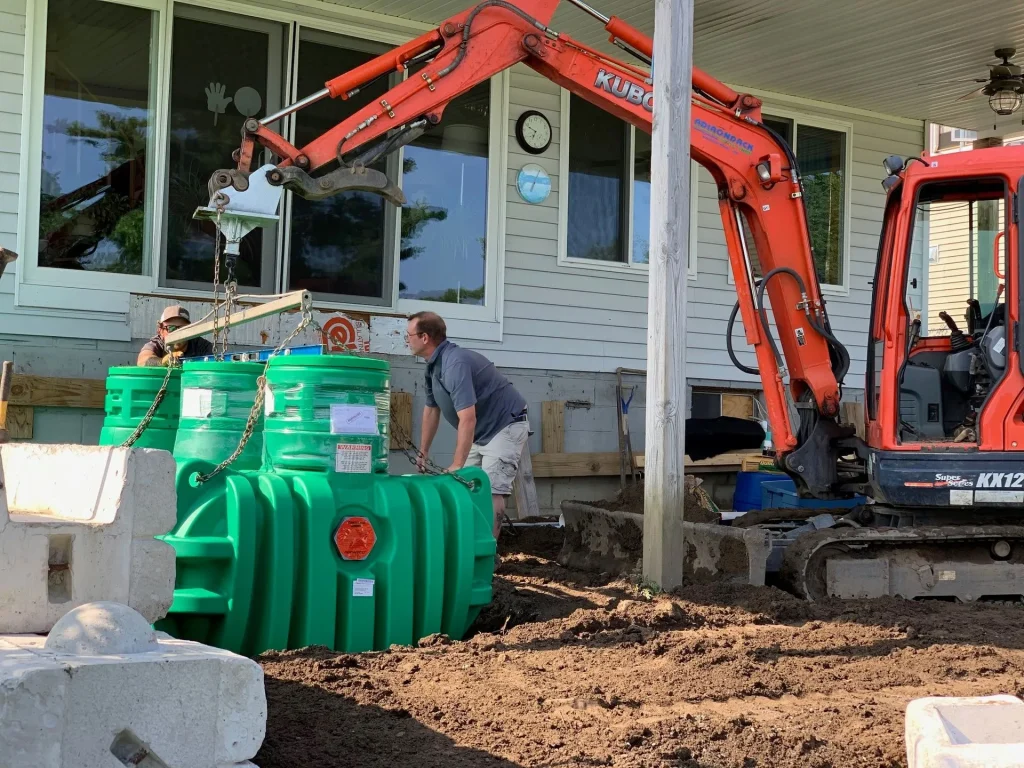
Life in Wantage has a rhythm that feels different from denser parts of New Jersey. Homes sit on larger lots. Wooded edges frame backyards. Wells and septic systems are common, and people tend to pay closer attention to what happens on their own property because they have to. When wastewater treatment happens on site instead of out of sight through a municipal sewer connection, the connection between household habits and environmental impact becomes more direct.
That is where systems like the Norweco Singulair Green enter the conversation. For homeowners who want a practical way to reduce wastewater impact without giving up modern convenience, this treatment approach has real appeal. It is not a magic fix, and it is not the right answer for every parcel, every soil condition, or every budget. Still, in the right setting, it can support the kind of eco-friendly living that fits both the landscape and the values of Wantage residents.
The phrase norweco singulair green Wantage NJ may sound highly specific, but the topic matters because it touches several local concerns at once: water quality, responsible land stewardship, system reliability, and the long-term cost of owning a rural or semi-rural property. Good wastewater treatment is easy to overlook until a problem appears. Once it does, the stakes become obvious, fast.
Why onsite wastewater treatment matters so much in Sussex County
In communities like Wantage, what leaves the house does not simply disappear into a distant city network. It enters an onsite treatment system that must perform year after year in changing weather, with shifting household demands, and under the pressure of real use. Heavy rain, spring thaw, clay-rich soils in some areas, sloped terrain, and fluctuating occupancy can all change how a septic setup behaves.
When an older or undersized system struggles, the consequences often show up in ways that are hard to ignore. Wet spots can appear in the yard. Odors creep up near the tank or disposal area. Plumbing drains more slowly. More importantly, poorly treated wastewater can put stress on local groundwater and nearby surface waters. In a place where many households rely on private wells, that environmental issue becomes personal very quickly.
Eco-friendly living in Wantage is not limited to solar panels, efficient windows, or native landscaping. It also includes what happens below grade. A wastewater treatment system that improves effluent quality can reduce stress on the drainfield, support more stable operation, and lower the risk of contamination when compared with a failing conventional setup. That is the practical side of sustainability. It is not abstract. It is measurable in cleaner discharge, fewer breakdowns, and better long-term stewardship of the property.
What the Norweco Singulair Green is designed to do
At its core, the Norweco Singulair Green is an advanced residential wastewater treatment system. Rather than relying only on passive settling and soil absorption, it uses an aerobic treatment process to break down waste more thoroughly before the water moves on for further dispersal or reuse applications, where allowed and properly designed.
That distinction matters. A conventional septic tank does useful work, but it is limited. Solids settle, scum rises, and partially clarified wastewater moves to the drainfield. The soil then has to shoulder much of the treatment burden. With an aerobic unit, treatment begins earlier and more aggressively inside the system itself. Air supports beneficial microorganisms that digest organic material more efficiently. That usually means cleaner effluent leaving the treatment unit than what would come from a standard septic tank alone.
Homeowners are sometimes surprised by how much difference that can make in day-to-day performance. Better-treated effluent can be easier on the soil dispersal area. In many settings, that translates into a healthier drainfield over time, fewer signs of hydraulic stress, and more resilience when household usage varies. None of that removes the need for maintenance or sound design. It simply means the system starts with a stronger treatment process.
The Singulair Green name also reflects an emphasis on environmental responsibility. In practical terms, that often means improving wastewater quality while supporting water conservation goals and reducing the strain that untreated or poorly treated discharge can place on the surrounding environment. For a homeowner in Wantage who values both comfort and conservation, that combination tends to be the real draw.
A better fit for properties where environmental sensitivity is a real concern
Not every lot in Wantage presents the same wastewater challenges. Some have generous, well-draining soils and relatively straightforward siting conditions. Others are constrained by setbacks, topography, seasonal wetness, shallow limiting zones, or the need to upgrade an older home on a parcel that was never ideal for a basic septic layout in the first place.
That is often where advanced treatment systems become more than a premium option. They become part of the solution.
I have seen homeowners focus first on visible green features while overlooking the fact that a property’s biggest environmental weak point was underground. A beautiful rain garden does not compensate for a failing septic field. A compost pile and efficient appliances are worthwhile, but if wastewater is not being properly treated, the environmental ledger is still in the red.
The Norweco Singulair Green can help address that mismatch. By improving treatment before dispersal, it may support designs that are more protective of the site’s natural conditions. Engineers and licensed installers still have to work within state and local regulations, and no treatment unit overrides poor planning. But on lots where environmental sensitivity is high, better pretreatment can make a meaningful difference.
This is especially relevant in a township where preserving rural character and protecting water resources are not just marketing phrases. They shape how people live. Many households garden, keep small hobby farms, or maintain wooded acreage. The idea of sending cleaner water back into the environment tends to resonate because residents can literally see and use the land around them every day.
What eco-friendly living looks like beyond the sales brochure
There is a temptation to discuss any wastewater technology in broad, polished terms. The reality is more grounded. Eco-friendly living is not achieved by installing one advanced product and forgetting about it. It comes from the combination of better equipment, sensible household habits, and consistent upkeep.
A system like the Singulair Green supports sustainable living because it works in tandem with those habits. If a home uses water efficiently, spreads out laundry loads, avoids flushing wipes and grease, and keeps toxic chemicals out of the drain, the treatment process has a better chance to perform well. The environmental benefit comes from that partnership.
I have found that homeowners who switch from an aging or troubled septic setup often notice a shift in mindset. They become more aware of water use patterns. They stop treating the plumbing system as a black box. They understand that every gallon entering the house eventually has to be treated on the property. That awareness tends to spill into other choices, from fixture upgrades to landscaping decisions that protect the disposal area from compaction and runoff.
In that sense, a Norweco Singulair Green installation in Wantage NJ can become part of a broader stewardship approach. It does not just process wastewater. It nudges the household toward a more deliberate relationship with the land.
Performance benefits that matter in real homes
People often ask whether advanced treatment systems are mainly about regulation or whether they offer everyday benefits too. In practice, both can be true.
For homes with older septic infrastructure, one of the biggest advantages is often consistency. A modern aerobic treatment unit is built to handle normal residential wastewater with more active treatment than a passive tank. That can improve effluent quality and reduce some of the stress placed downstream on the disposal area. When a drainfield is expensive, difficult to replace, or constrained by the lot, protecting it becomes a major priority.
Another benefit is adaptability to modern living patterns. Many older systems were installed decades ago, when households used water differently. Today, a home may have larger tubs, more frequent laundry cycles, finished basements, or intermittent guest occupancy that creates demand spikes. Advanced treatment does not make a system unlimited, but it can offer a stronger operational base than an outdated conventional tank.
There is also the issue of longevity. No wastewater system lasts forever, and promises of permanent, maintenance-free operation should always be treated skeptically. That said, a well-designed and properly serviced treatment unit can be part of a longer-term strategy to reduce the chance of expensive failure. That matters in Wantage, where replacing or extensively repairing a septic system can involve engineering, permits, excavation, restoration, and significant cost.
Environmental performance and financial prudence are often treated as separate goals. With onsite wastewater, they overlap more than people think.
The trade-offs homeowners should understand
Professional judgment matters here because advanced treatment is not simply a case of “newer is better.” There are trade-offs, and homeowners deserve a clear picture of them.
The first trade-off is complexity. A conventional septic tank has fewer moving parts. An aerobic treatment system typically involves mechanical and electrical components that need attention. That means inspections, service intervals, and a willingness to treat the system like important equipment rather than buried infrastructure you never think about.
The second is operating cost. There is usually power consumption associated with treatment, along with periodic service needs. For many households, that added cost is reasonable when weighed against performance and environmental benefit. Still, it is not zero, and it should be part of the decision.
The third is the importance of proper installation and support. An excellent treatment unit can disappoint if it is poorly sited, undersized, or paired with a weak downstream design. Homeowners should never assume the equipment alone guarantees success. Soil conditions, hydraulic loading, setbacks, and local code requirements all still matter.
That honesty is important because sustainable systems work best when expectations are realistic. Eco-friendly living is not about pretending there are no costs or maintenance obligations. It is about choosing options that deliver better outcomes over time and being willing to support them properly.
Why Wantage homeowners often look for advanced options
Wantage has a mix of older farmhouses, renovated rural properties, newer custom homes, and everything in between. That variety creates wastewater challenges that are rarely one-size-fits-all. Some properties are being updated for year-round living after serving as seasonal homes. Some households have grown larger than the original septic design anticipated. Others are trying to improve an aging system before it becomes a crisis.
In those situations, homeowners often start asking better questions. Not just “What is the cheapest replacement?” but “What is the smartest system for this land?” and “How can I avoid revisiting this problem in ten years?”
That is usually the point where the norweco singulair green Wantage NJ search begins. People are not necessarily looking for a brand first. They are looking for reliability, environmental responsibility, and a path that fits the realities of rural property ownership.
A well-chosen advanced treatment system can be especially appealing if the homeowner plans to stay long term. The value is not always captured by a simple upfront price comparison. It appears in reduced risk, cleaner treatment, stronger compatibility with sensitive site conditions, and the peace of mind that comes from knowing the system is aligned with how the property is actually used.
Maintenance is part of the green story, not separate from it
One of the most common mistakes I see is the assumption that environmentally friendly equipment should somehow need less attention because it is more advanced. In wastewater treatment, the opposite is often true. Better performance usually depends on better oversight.
That should not be viewed as a drawback. It is simply part of responsible ownership.
Routine service helps verify that aeration and treatment components are functioning, sludge levels are managed, and the system is doing what it was designed to do. Catching a small issue early is far less disruptive than discovering a major failure after symptoms reach the house or the yard. The most sustainable system is not the one with the fanciest brochure. It is the one that keeps working properly year after year because someone is actually paying attention.
Homeowners who embrace this tend to have the best experiences. They keep records. They schedule inspections. They understand that what goes down the drain affects treatment quality. They avoid overloading the system with harsh chemicals, excessive grease, or non-biodegradable materials. That kind of practical discipline is not glamorous, but it is central to eco-friendly living.
Household habits that help the system deliver its full benefit
Technology can carry a lot of weight, but daily behavior still shapes results. In a home served by an advanced treatment unit, sensible use patterns amplify the environmental return on the investment.
Water conservation matters because surges can reduce treatment effectiveness and stress downstream dispersal. Spacing out showers, dishwasher runs, and laundry loads makes more difference than many people realize. So does fixing a running toilet quickly. A single leaking fixture can quietly send a surprising amount of extra water through the system over time.
What enters the drain matters just as much. Cleaning products used in moderation are usually manageable, but repeated dumping of solvents, paint residues, oils, or antibacterial overload can disrupt the biological process that treatment relies on. Even products marketed as flushable may create real trouble in onsite systems. The safest rule is simple: if it is not human waste, toilet paper, or ordinary household wastewater, think twice before sending it underground.
For households serious about sustainable living, this is actually good news. The same habits that reduce strain on the treatment unit also reduce water waste and unnecessary chemical loading overall. The environmental gains stack together.
Choosing the right professionals makes a major difference
A successful installation depends on more than selecting a reputable treatment system. The local engineer, installer, service provider, and permitting path all matter. Site evaluation is not paperwork for its own sake. It is what determines whether the chosen approach matches the soil, slope, water table conditions, home size, and local regulatory framework.
That is why homeowners in Wantage should be cautious about overly simplified promises. If someone talks only about the unit and not about the property, that is a warning sign. Good professionals ask detailed questions. They look at existing conditions. They discuss maintenance expectations plainly. They explain what the system can do, but also what it cannot do.
That level of candor often saves money in the long run. It reduces the chance of norweco singulair green Wantage NJ Excavating New Jersey LLC installing a system that technically fits a brochure but not the actual lot. It also helps homeowners understand what ownership will feel like after the excavators leave.
A quieter form of sustainability, but one that lasts
Some environmentally responsible upgrades are easy to admire because you can see them from the road. Wastewater treatment is different. Once installed, it disappears from view. No one compliments it at a backyard barbecue. It does not announce itself.
Yet it may be one of the most consequential green decisions a homeowner makes.
A high-performing onsite treatment system protects groundwater, supports healthier soil dispersal, and helps preserve the livability of the property itself. In a place like Wantage, where rural character and private land stewardship are tightly linked, that matters. It reflects a form of sustainability that is less visible but more foundational.
The Norweco Singulair Green is compelling for that reason. It aligns environmental values with the practical demands of country and exurban living. It recognizes that eco-friendly living is not only about reducing what you consume. It is also about taking responsibility for what you return to the land.
For homeowners evaluating wastewater options, that is the real question worth asking: not just whether a system meets code, but whether it supports the kind of property care and environmental responsibility they want to practice for years to come. In many Wantage settings, the answer may point directly toward a thoughtfully designed advanced treatment system, one that works quietly underground while protecting everything above it.
Excavating New Jersey LLC
406 County Rd 565
Wantage, NJ 07461, United States
Phone: +1 (973) 791-4284
FAQ About norweco singulair green Wantage NJ
How does a Norweco septic system work?
Singulair Green uses aerobic biological treatment in a polyethylene tank, followed by settling and filtration. The treatment unit is one part of a complete wastewater system; the site design also determines how treated effluent is dispersed.
How much does a Norweco septic system cost in NJ?
A useful estimate requires a property evaluation. Excavation access, soil conditions, engineering, electrical work, the disposal field, and restoration can affect the total. Ask Excavating New Jersey LLC for a written scope that distinguishes installation costs from ongoing service costs.
Are Norweco septic systems good?
Singulair Green is an established aerobic treatment option, but suitability depends on the property and proposed design. Compare the model's documented performance, maintenance needs, and total project scope with alternatives before deciding.