How Septic Engineering and Design in Wantage NJ Helps Prevent System Failure
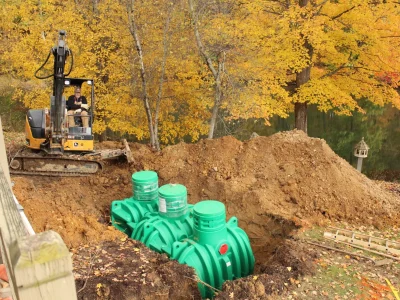
A septic system rarely gets much attention when it is working properly. That is part of the problem. Homeowners notice the kitchen renovation, the new roof, the finished basement. The septic system sits underground, out of sight, handling wastewater every day without much appreciation until something goes wrong. By that point, the cost, disruption, and health concerns can become serious in a hurry.
That is where thoughtful septic engineering and design Wantage NJ becomes more than a permit requirement or a box to check during construction. Good engineering is what separates a system that performs reliably for decades from one that struggles after a few wet seasons, a home addition, or a shift in groundwater conditions. In Sussex County, where site conditions can vary dramatically from one property to the next, design decisions matter.
A septic system fails for reasons that are often predictable. Poor soil absorption, shallow seasonal groundwater, undersized components, bad siting, roof runoff directed toward the disposal field, and changes in household water use all create stress. Many failures look sudden from the homeowner’s point of view, but they usually begin much earlier. The field becomes saturated little by little. Solids move farther than they should. Effluent no longer disperses at the rate the system was supposed to handle. Odors, backups, and soggy ground are just the final symptoms.
Careful engineering reduces those risks from the start. It also helps property owners make better decisions when they are replacing an aging system, building on a difficult lot, subdividing land, or planning future improvements.
Why Wantage properties need site-specific septic design
One of the biggest mistakes people make is assuming that a septic system is basically the same everywhere. In reality, septic design is highly dependent on the land itself. Two neighboring lots can require very different approaches. One may have suitable native soils and enough separation from groundwater for a conventional system. The next may have restrictive soil layers, steep grades, rock close to the surface, or drainage patterns that call for a more tailored design.
Wantage and the surrounding area present the kinds of conditions that make local experience valuable. Parts of the region have rolling topography, variable soils, and properties that were developed over many different eras. Older systems may have been installed under standards that differ from current requirements. Some lots offer generous area for replacement fields, while others have tight setbacks from wells, property lines, streams, or existing structures.
That combination matters because septic systems are not isolated pieces of equipment. They interact with the building, the landscape, and the water moving through the site. When engineering is done well, the design respects those interactions. It does not just ask whether a field can fit on paper. It asks whether the system can actually function through wet springs, heavy use weekends, and septic engineering and design Wantage NJ years of gradual wear.
What septic engineering actually covers
People often hear the phrase septic engineering and think of a drawing prepared for the health department. The drawing is only the visible outcome. The real work happens in the evaluation and decision-making behind it.
An engineer or qualified designer studies how wastewater will move from the house to the tank, through treatment components, and into the soil. That includes projected daily flow, fixture counts, bedroom counts, elevations, pump needs if any, reserve disposal area, and the ability of the soil to accept and treat effluent. It also includes compliance with local and state rules, because even a technically workable concept can become a problem if it does not meet setback or construction requirements.
A sound design typically depends on five core evaluations:
- Soil testing and percolation behavior, including how fast or slowly water moves through the native soils.
- Seasonal high water table and depth to limiting layers such as rock, dense fragipan, or impermeable material.
- Site layout constraints, including wells, slopes, driveways, outbuildings, and neighboring properties.
- Expected wastewater loading based on actual or permitted use of the home.
- Long-term replacement options, so a future repair does not become impossible.
Those factors are not independent. A lot with marginal soils might still work well if there is adequate area and the system is sized and located carefully. A large lot can still perform poorly if the field is placed in a low area where stormwater collects. This is why off-the-shelf thinking causes trouble. Septic systems reward judgment, not shortcuts.
Failure often begins at the design stage
When a septic system fails early, the installer often gets blamed first. Sometimes that is fair. Poor construction practices absolutely can shorten the life of a system. But many failures are baked in before equipment ever arrives on site.
A common example is underestimating actual water use. A home may be approved as a three-bedroom house, then function like a five-bedroom house in practical terms because of finished bonus rooms, frequent guests, or multigenerational occupancy. The system may not fail immediately, but it starts life with less margin for error.
Another recurring issue is poor placement of the disposal field. On paper, a field may satisfy minimum setbacks. In practice, it could sit below a driveway that sheds runoff toward it, or near a swale that stays wet in spring. The field then receives both septic effluent and outside water, which is not what it was designed to handle. The result is chronic saturation.
I have seen properties where the tank itself was not the problem, the house plumbing was not the problem, and the field dimensions technically matched requirements. The weak link was grading. Years of roof drainage and yard runoff were allowed to migrate toward the disposal area. Once the soil stayed too wet for too long, treatment and dispersal fell off. The homeowner was convinced the system had simply “worn out,” but the root cause was water management.
That is one reason septic engineering should never be treated as a narrow exercise. Good design looks beyond the trenches and pipes. It considers the whole site.
Soil is doing more work than most people realize
Many homeowners think the tank is the heart of the system. In truth, the soil absorption area does much of the heavy lifting. The septic tank settles solids and retains scum, but the soil is where final treatment and dispersal occur. If the soil is unsuitable, overloaded, or kept too wet, the entire system struggles.
This is why soil testing matters so much. Fast-draining sandy soils present one set of concerns. Very slow soils present another. Moderately permeable soils with enough unsaturated depth are often the sweet spot, but even then, consistency matters. Natural sites are layered and variable. One test location may look promising while another ten or twenty feet away reveals a more restrictive condition.
A seasoned designer reads those clues. Texture, structure, mottling, evidence of seasonal water, and slope position all help tell the story. Numbers matter, but field interpretation matters too. This is where practical experience earns its keep. A site can meet minimum criteria and still require caution if local conditions suggest it will be touchy in wet years.
In Wantage, where some lots combine slope, shallow rock, and variable drainage, that caution can make the difference between a field that stays healthy and one that starts surfacing effluent during an unusually wet spring.
The role of system type in preventing failure
Not every property can use a simple conventional system. That is not a flaw. It just means the design needs to match the conditions. Pressure distribution, mounded systems, advanced treatment units, drip dispersal, or pump-assisted layouts may be appropriate depending on the lot and regulatory framework.
What matters is not choosing the most elaborate option. It is choosing the right one. More complexity can solve one problem while introducing another. A pumped system may overcome elevation challenges and protect the field through controlled dosing, but it also adds mechanical components that need maintenance. An advanced treatment unit can improve effluent quality before dispersal, but it may require regular service contracts and electrical reliability.
The best design balances performance, maintainability, cost, and site limitations. That balance is not always obvious to a homeowner who is comparing proposals. The cheapest bid may ignore long-term operation. The most expensive proposal may include features the site does not actually need.
A good engineer explains the trade-offs in plain language. If a gravity system is feasible and reliable, there is no reason to complicate it. If the lot requires pressure distribution to avoid overloading part of the field, that should be explained clearly. The goal is not to impress anyone with technical jargon. The goal is to build a system that can keep doing its job year after year.
How drainage and grading influence septic life
Surface water is one of the quiet killers of septic systems. People tend to focus on what goes into the plumbing, but what happens above ground is just as important. If downspouts discharge near the field, if sump pumps drain uphill of the disposal area, or if grading channels runoff toward the system, the soil can become too wet to accept wastewater properly.
This issue is especially important on lots with modest relief, because water does not always behave as people expect. It follows subtle grades. It pools in places that look dry in August and stay saturated in March. A field located without regard to that pattern may perform well for part of the year and fail during seasonal peaks.
Engineering helps prevent that by coordinating septic placement with drainage planning. Sometimes the fix is as simple as moving roof leaders, reshaping a swale, or preserving a natural buffer area. Sometimes it means locating the field higher on the site, even if that complicates the line from the house. Those are the kinds of decisions that can feel inconvenient during design and construction, yet save major trouble later.
I have seen one property where the owners were certain their old field had reached the end of its useful life. During the replacement planning, site review showed that a detached garage built years earlier had changed runoff patterns. Water from a broad roof area was now directed straight toward the disposal area. The replacement design addressed the septic layout and the drainage problem together. Without that second step, the new system would have been set up to fail the same way.
Future use matters more than current use
A septic system should be designed for how the property is likely to be used, not just how it happens to be used the week of the site visit. A retired couple may say they use very little water. That may be true. It does not change the fact that the house could be sold to a family of five. Likewise, a vacation property may sit quiet for stretches, then experience intense use on summer weekends.
This is why code-based design flows and bedroom counts exist. They provide a conservative planning framework. Good engineering works within that framework while also paying attention to practical realities. A designer should ask whether an unfinished attic could become living space, whether a home office has a closet and egress that may make it a future bedroom, or whether a planned addition changes wastewater demand.
Failure prevention starts with honesty about those possibilities. Oversights here are expensive. It is far easier to account for future use during design than to retrofit a strained system after the fact.
Replacement systems need as much care as new ones
Designing for a vacant lot is one thing. Replacing a failing system on an improved property is often harder. Existing wells, patios, trees, utilities, pools, sheds, and driveways can leave very little room. The old field location may have consumed the best area decades ago. There may also be pressure to work quickly because the current system is already failing.
Those projects are where experienced septic engineering and design Wantage NJ becomes especially valuable. The challenge is not merely fitting a legal system onto the site. It is finding the option with the best chance of long-term success given all the constraints. Sometimes that means accepting a more engineered approach. Sometimes it means making difficult choices about site improvements that interfere with the reserve area or prevent proper access.
This is also where communication matters. Homeowners deserve a realistic explanation of what is driving the design. If a proposed replacement costs more than expected, there should be a defensible reason, whether that is pumping, treatment upgrades, site restoration, or limited disposal area. Surprises create frustration. Clear engineering rationale builds trust.
Common warning signs that a system is under stress
Most septic failures do not arrive without warning. The signs may be subtle at first, especially if the problem is seasonal, but they tend to repeat and worsen over time.
- Slow drains or intermittent backups, especially after laundry days or periods of heavy use
- Persistent wet or spongy ground above or near the disposal field
- Sewage odors outdoors, or indoors when fixtures are used
- Very green, fast-growing grass over one section of the yard
- Gurgling plumbing combined with no obvious indoor blockage
Not every one of these symptoms means total failure, and not every plumbing issue is septic-related. Still, recurring patterns deserve attention. A homeowner who waits for sewage to surface has already lost valuable time. Early investigation can sometimes prevent a complete field replacement, especially if the issue involves hydraulic overloading, drainage, or deferred tank pumping rather than irreversible soil clogging.
Maintenance cannot rescue a bad design, but it can preserve a good one
There is a tendency to frame septic performance as either a design issue or a maintenance issue. In practice, both matter. Maintenance will not save a poorly located or undersized system, but a well-designed system can be ruined by neglect.
Regular tank pumping helps prevent solids from reaching the disposal area. Water conservation protects the field from hydraulic overload. Avoiding grease, wipes, and non-biodegradable materials reduces stress on the tank and downstream components. Protecting the field from vehicle traffic preserves soil structure and piping.
The key is understanding the limits of maintenance. Additives marketed as cures for septic trouble are often oversold. They do not fix saturated soil, failed grading, crushed laterals, or a field installed in the wrong location. When symptoms point to a design or site problem, the answer is evaluation, not wishful thinking.
That evaluation should be methodical. A professional should look at usage patterns, pumping history, drainage conditions, tank condition, outlet filters if present, and evidence of field distress. Jumping straight to replacement without diagnosis can be as wasteful as ignoring the problem entirely.
Why local permitting and design standards matter
Some homeowners become frustrated when they hear that a project requires engineering, soil work, review, or revisions. It can feel like delay layered onto an already expensive necessity. But septic regulation exists for good reason. A malfunctioning system is not just a private inconvenience. It can threaten wells, surface water, neighboring properties, and public health.
A competent designer works within those rules while helping the owner understand why they matter. Setbacks protect drinking water sources. Soil separation requirements protect treatment quality. Reserve area expectations acknowledge that no field lasts forever. These standards may not make a project cheaper, but they do reduce the odds of preventable failure.
It is also worth noting that local review often catches issues that would otherwise be missed. A field layout that looks acceptable in isolation may conflict with a planned addition, stormwater feature, or lot line interpretation. Better to catch that before installation than after.
Choosing the right professional approach
Not every septic project needs the same level of engineering attention, but every project benefits from careful thinking. New homes, additions, system replacements, and problem investigations all require a clear understanding of site conditions and use expectations. The best results usually come from professionals who are comfortable both with technical analysis and with field realities.
Homeowners should expect direct answers to practical questions. How will this system handle wet seasons? What maintenance will it require? What is the reserve area? What site features put the design under pressure? What happens if the property use changes? Those conversations matter just as much as the drawing itself.
An engineered design is not a guarantee that nothing will ever go wrong. Septic systems are working infrastructure, and all infrastructure ages. But the right design greatly improves the odds that the system will perform as intended, tolerate normal fluctuations, and avoid premature failure.
That is the real value of septic engineering and design Wantage NJ. It turns uncertainty underground into informed decisions above ground. For homeowners, builders, and buyers, that often means fewer emergencies, lower lifetime cost, and far less chance of discovering a hidden problem only after the yard turns wet and the drains stop cooperating.
Excavating New Jersey LLC
406 County Road 565
Wantage, NJ 07461
(973) 791-4284
FAQ About septic engineering and design Wantage NJ
Who can design a septic system?
A New Jersey licensed professional engineer can assess the property and prepare the design. The local administrative authority can explain the applicable submission and permit requirements.
Why would I need an engineered septic system?
Soil conditions, groundwater, setbacks, lot size, or the expected wastewater flow can affect which designs are suitable. A site evaluation helps identify options for the property.
How much does it cost for an engineer to design a septic system in NJ?
Costs vary with site conditions, testing, surveying, and the scope of the design. Ask for an itemized quote that separates engineering, tests, permits, and installation.